Disclosure: Tour links go to GetYourGuide or Viator and stay links go to Agoda. If you book through them we may earn a commission, at no extra cost to you. Booking and payment happen on the partner’s site, never here. Details.
On the trail
- Keep your distance and never touch or handle animals.
- Never feed wildlife, including monkeys and coatis; human food harms them and changes their behavior.
- Stay on marked trails and keep noise low.
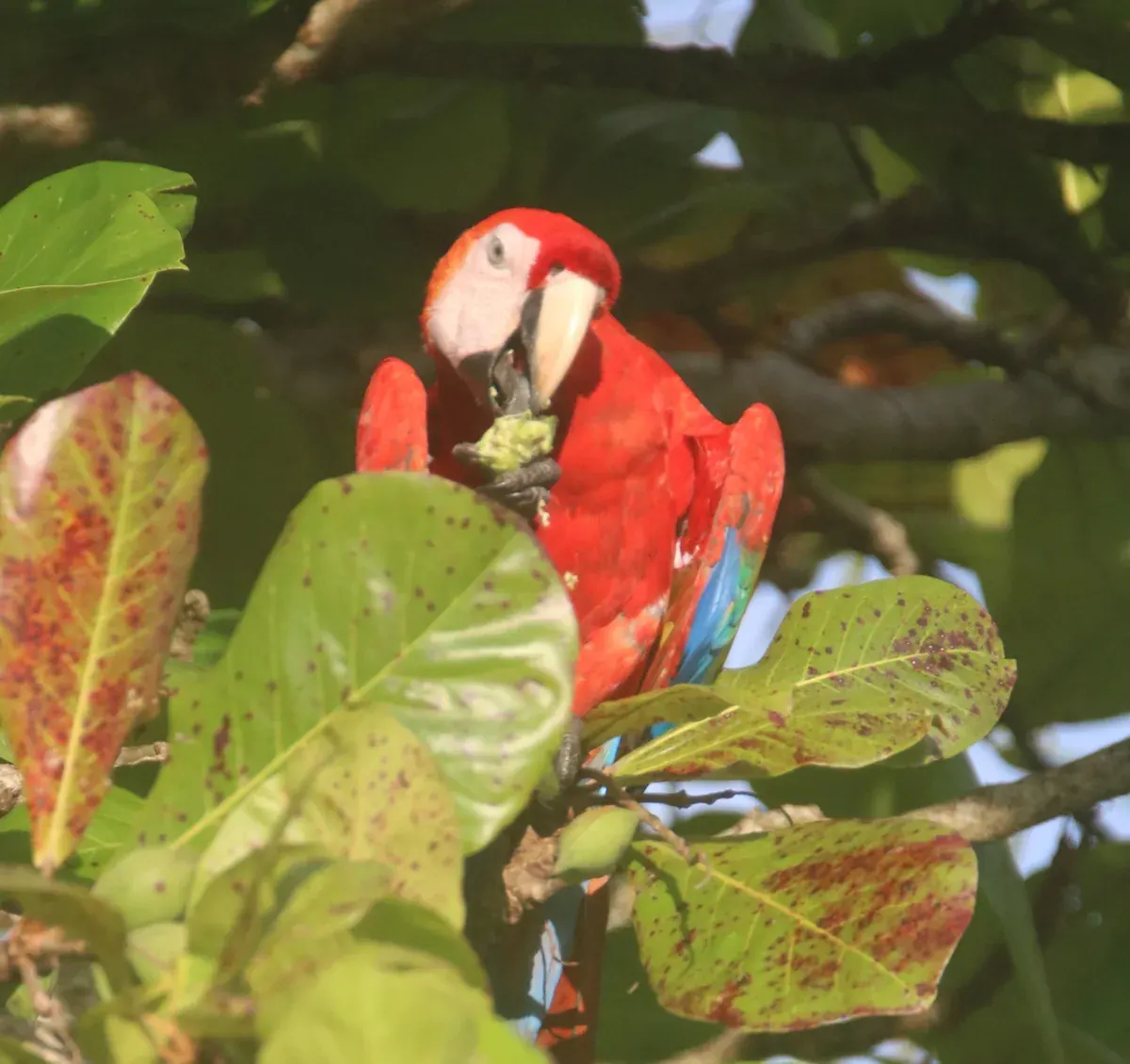
- Do not use playback calls to attract birds unless your guide says it is appropriate.
At night and on nesting beaches
- Use red or dimmed lights as instructed by your guide.
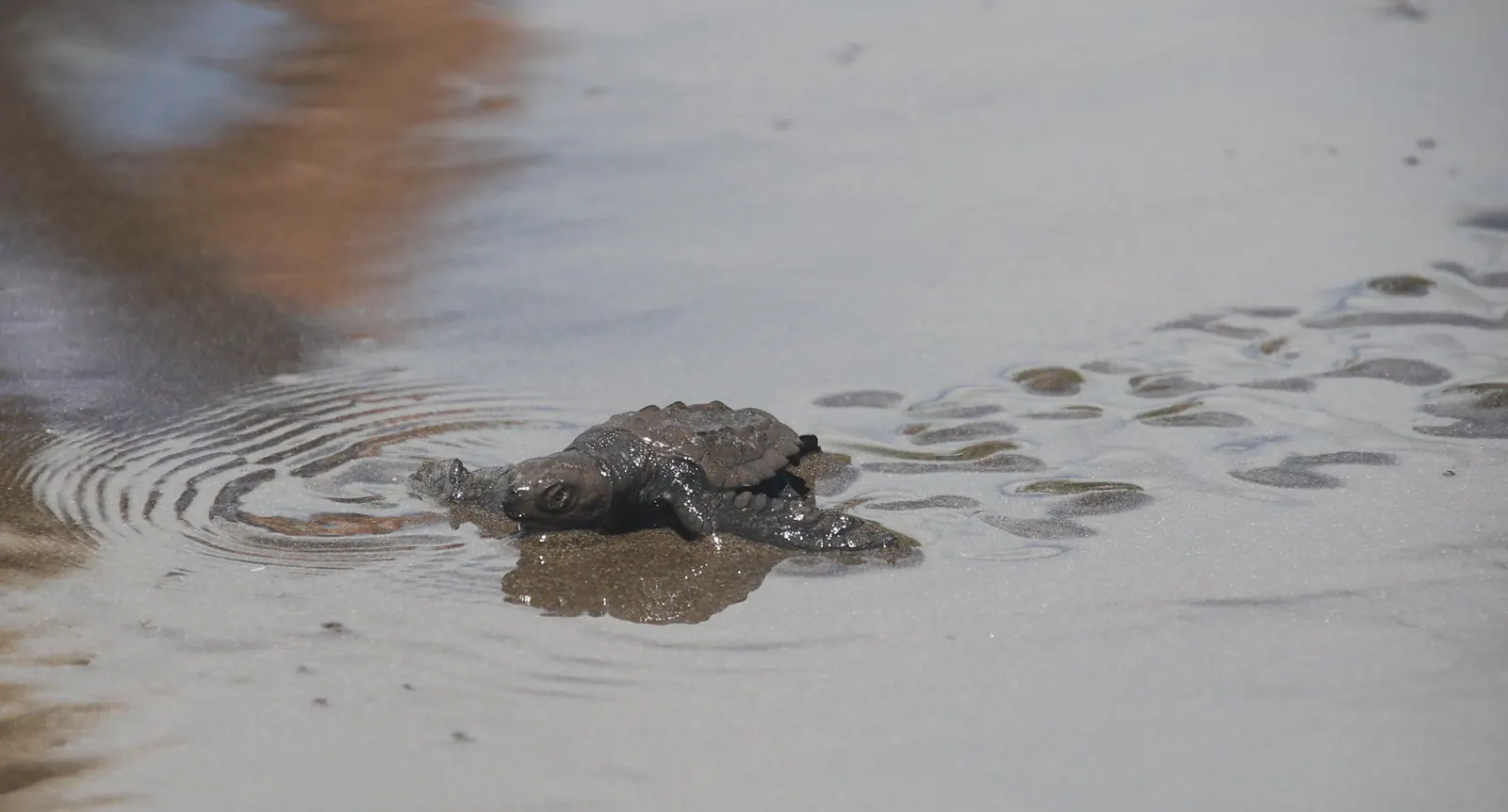
- No flash photography of nesting turtles or hatchlings.
- Follow the certified guide’s instructions on nesting beaches.
On the water
- Boats should keep a respectful distance from whales and dolphins and not chase them.
- Do not touch or stand on coral when snorkeling.
- Use reef-safe sunscreen and avoid single-use plastics.
Choosing a tour
Small groups, local guides and operators that brief you on these rules are signs of care. We do not label tours as “sustainable” or “certified” unless the claim can be checked on the listing or with the certifying body.